Inspecting the lathe
Well… it was an old lathe. Here are some initial findings. Lots of grubby pictures follow…
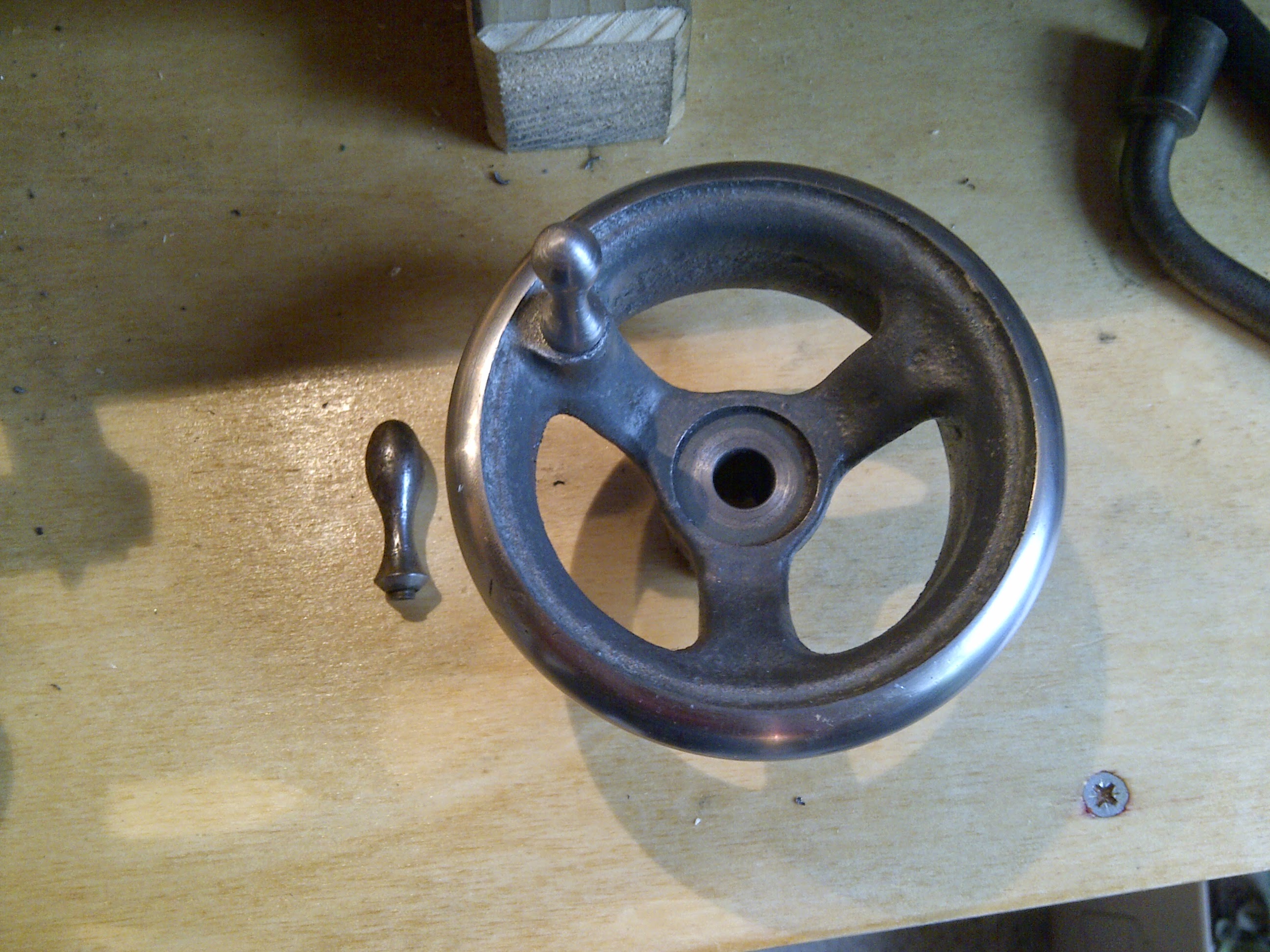
Handwheel broken
The handwheel was broken on arrival. It was the first thing I fixed. I think it came from an old bolt, together with the single cutter that I still had from the Chinese lathe that I sold.
Lubrication of the spindle
Note the bearing without the drip feeder. I think they just added a few drops on top of it.
.jpg)
Motor and motor mounting
The motor is the original 1957 British Thomson Houston 1/2 HP 220V motor. The pulley that drives the primary belt was approximately 0.7 mm out of center, which led to heavy shaking of the entire machine when it was running.
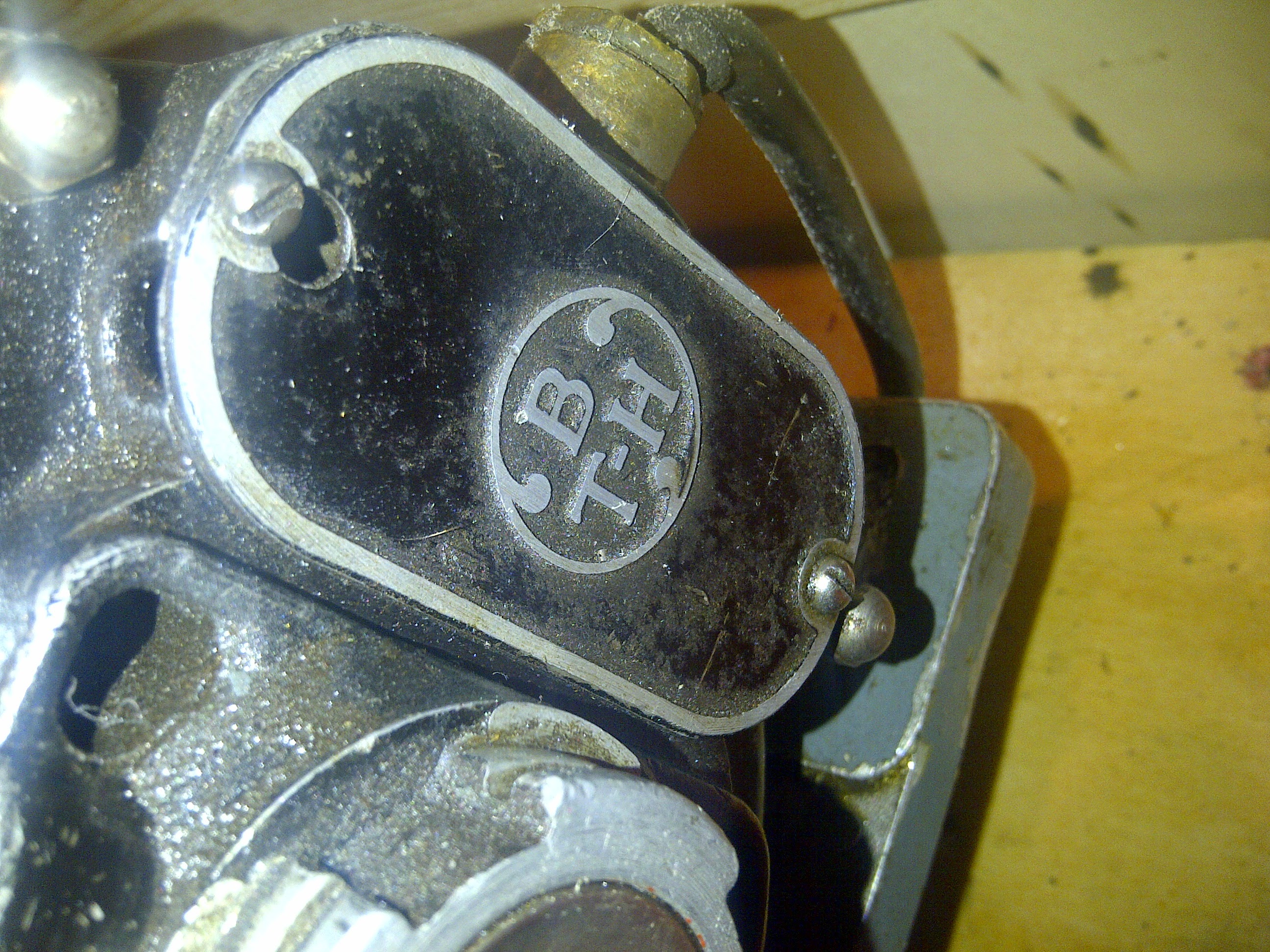
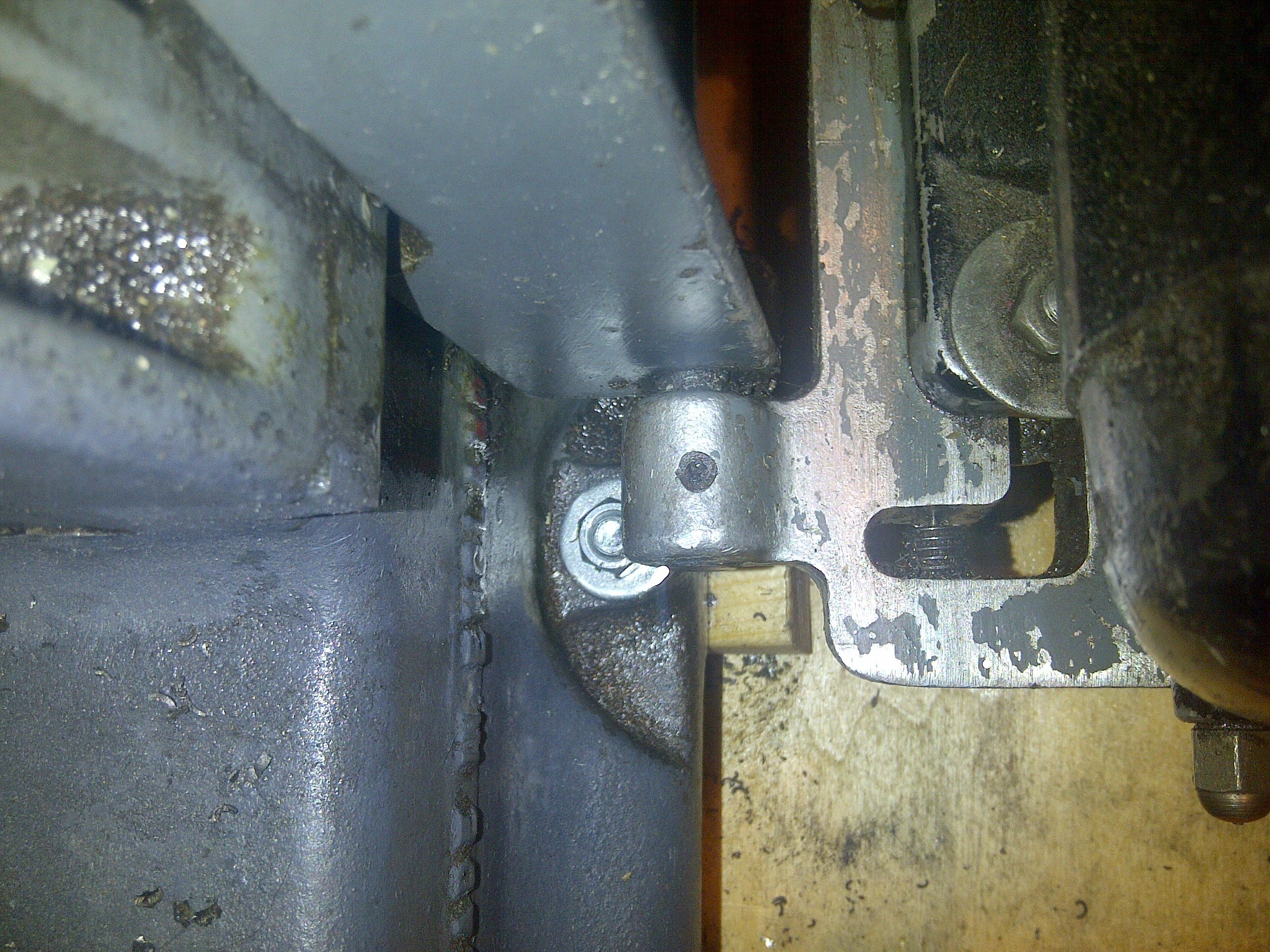
The shaking was amplified by the fact that the motor mounting had approximately 1 mm of play as well.
Rust-coloured grease on the bed
Ominous foreshadowing alert!
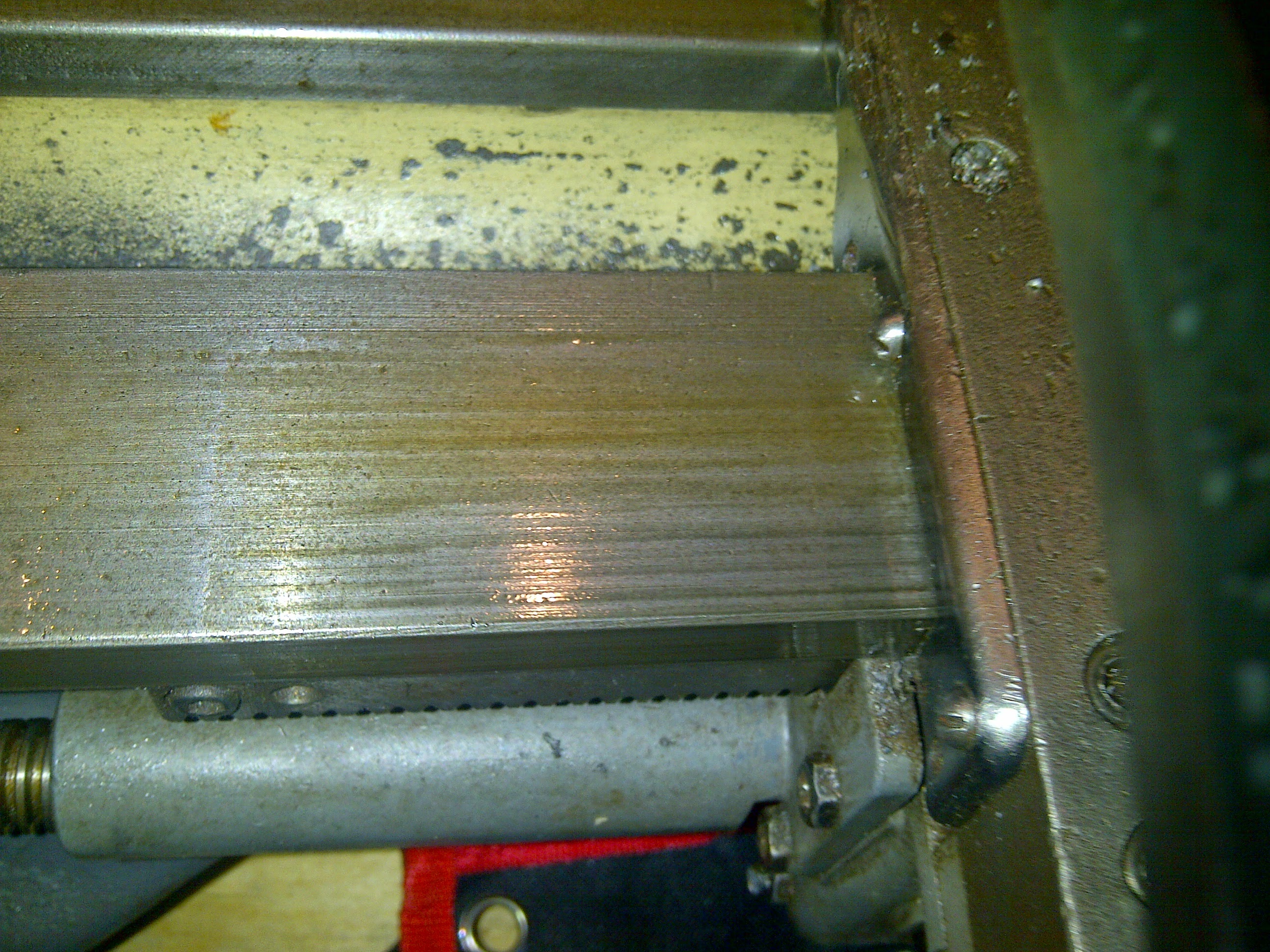
Whenever I moved the carriage, there would be a rust-coloured oil/grease film left on the bed1.
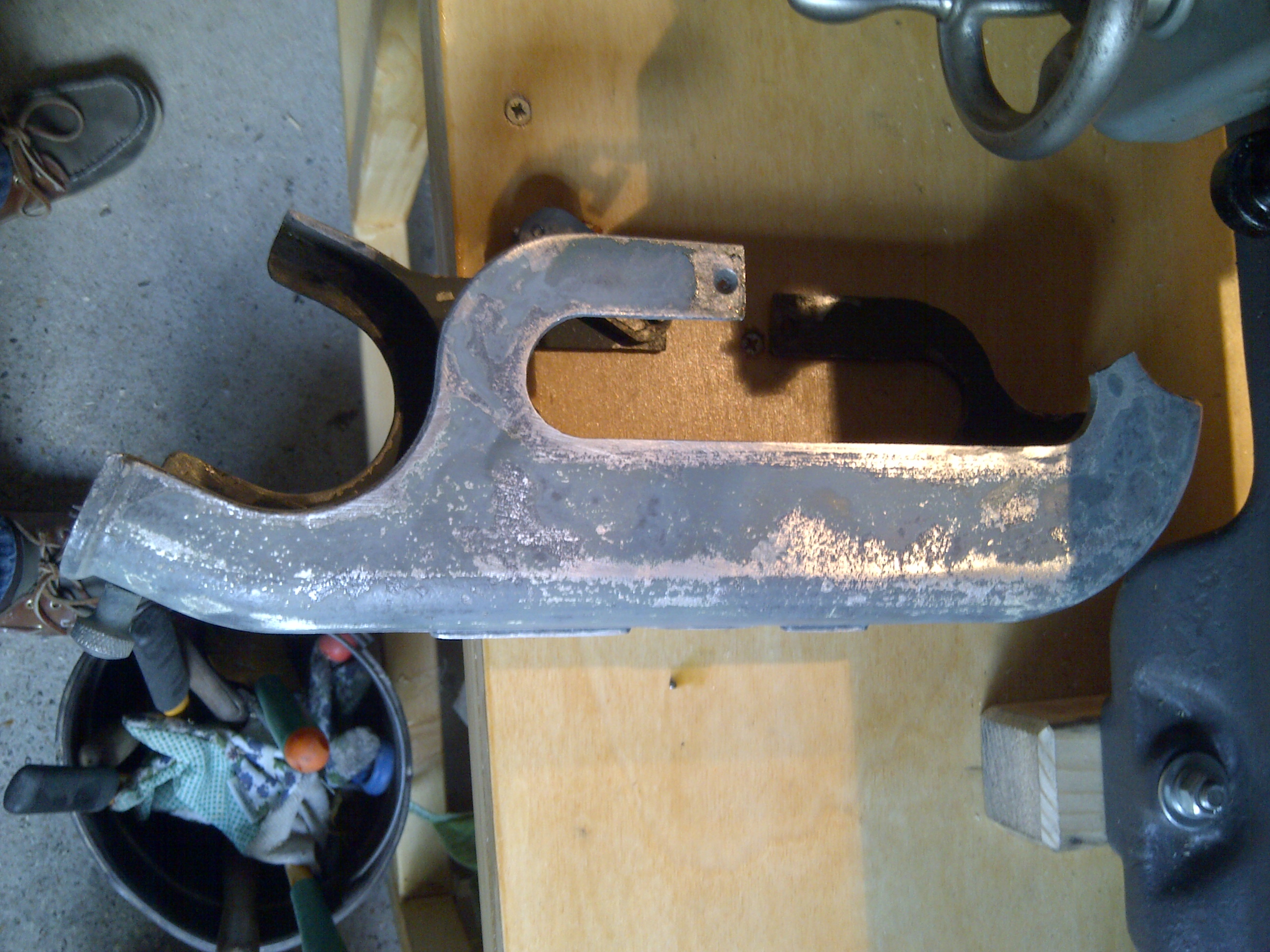
Safety cap broken
The seller said, “It still works, as long as you’re careful…”
Both belts worn
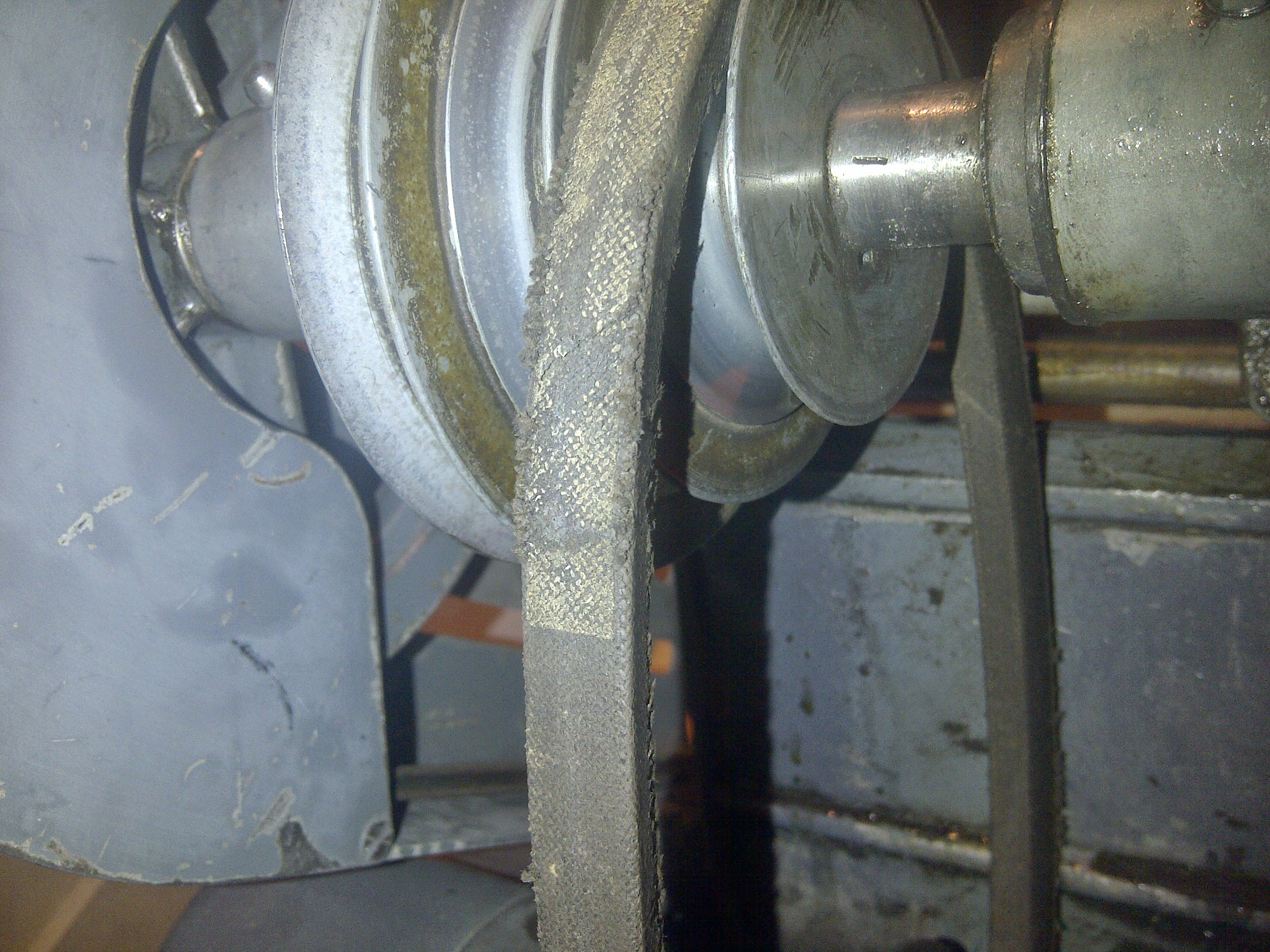
Primary and secondary belts were worn2.
And more…
The cross slide had 2 mm of play (!). I later found out that the main bearings were shimmed incorrectly — too loosely. And the bed was so worn that the saddle could be moved only to the middle of the bed toward the tailstock before jamming.
Conclusion
Indeed, an old lathe. However, it was functional. So I started repairing the machine while using it.
-
I later learned that a Myford lathe is oiled, never greased. ↩
-
Looking at this in 2026, I notice something I did not notice then. See that the largest pulley has a different color? I think it is a sign that the machine was mostly not used at the highest speed, as both the low- and middle-speed pulleys were quite worn. Running it at the highest speed required retensioning the belt every time I switched to it. ↩